


The Benefits of Seeing Your Trusted Eye Doctor Before and After Cataract Surgery
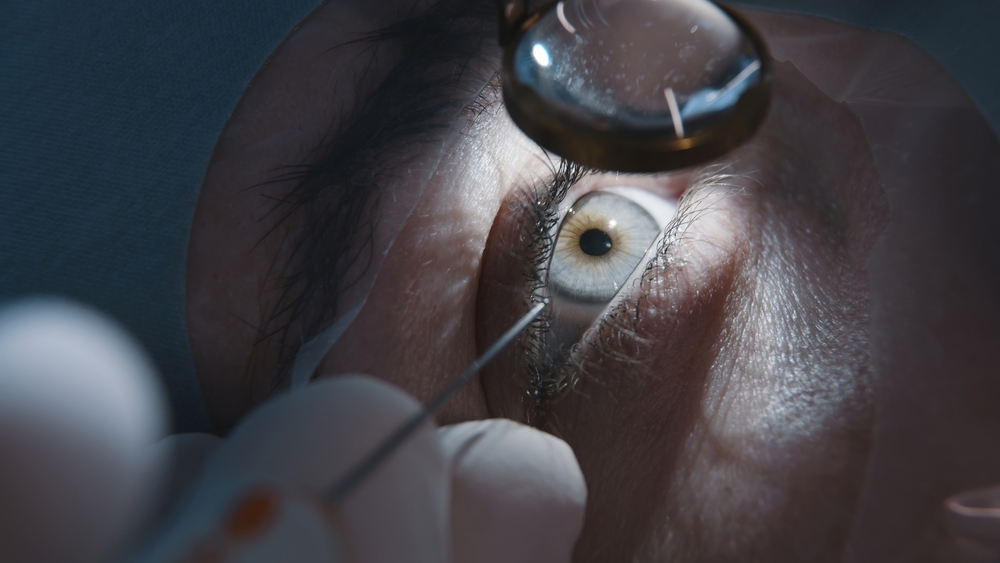
Cataract surgery is one of the most common and effective procedures for improving vision, but the process can feel overwhelming without the right support. At Bluehouse Eyecare, we help our patients understand what to expect before and after cataract surgery so they feel informed, comfortable, and confident in their care. While the surgery itself is performed by an ophthalmologist, your trusted eye doctor plays an important role in evaluating your vision, monitoring your eye health, and helping coordinate your care throughout the process. Before cataract surgery, a comprehensive eye exam helps determine how cataracts are affecting your daily vision. Some patients notice cloudy vision, glare at night, faded colors, or trouble reading, while others may not realize how much their vision has changed until we evaluate it. During this visit, we can also check for other eye conditions that may affect your surgical planning or visual outcome. This may include dry eye, glaucoma, macular changes, diabetic eye disease, or prescription changes. Identifying these concerns early helps create a clearer path forward. Cataract surgery is not one-size-fits-all. Patients may have different lens implant options depending on their lifestyle, vision goals, eye health, and surgeon recommendations. We can help explain these options in a practical way so you feel prepared for your surgical consultation. Our goal is to help you ask the right questions, understand the recommendations you receive, and feel more involved in your treatment plan. Co-management allows your optometrist and cataract surgeon to work together. This helps keep your care organized from your initial evaluation through your recovery. Seeing your trusted eye doctor before surgery can help with: After cataract surgery, follow-up visits help ensure your eyes are healing properly and your vision is improving as expected. We monitor for inflammation, changes in eye pressure, dryness, infection concerns, and prescription needs after healing. Even when recovery feels smooth, these visits are important. Some changes can be subtle at first, and early detection allows us to address concerns quickly. Once your eyes have healed, your prescription may change. Some patients still need glasses for reading, computer work, or certain daily tasks. Others may need updated lenses to fine-tune their vision after surgery. At Bluehouse Eyecare, we help evaluate your post-surgical vision and recommend the right next steps, whether that means updated glasses, ongoing monitoring, or additional care for dry eye or other eye health needs. Cataract surgery can make a meaningful difference in your quality of life, but having a familiar eye care team involved can make the experience feel much easier. We are here to answer questions, monitor your vision, and help guide you through each stage of care. To schedule a cataract surgery consultation or follow-up eye exam, contact Bluehouse Eyecare in Closter, NJ by calling (201) 768-2020.Cataract Surgery Starts With Clear Guidance
Why A Pre-Surgical Eye Exam Matters
Helping You Understand Your Options
Coordinating Care With Your Surgeon
Why Post-Surgical Follow-Up Is Important
Updating Your Vision After Cataract Surgery
Support Before, During, And After Surgery


Our Services
Contact Info
Hours of Operation
- Monday 9:00am - 6:00pm
- Tuesday 9:00am - 6:00pm
- Wednesday Closed
- Thursday 9:00am - 8:00pm
- Friday 9:00am - 6:00pm
- Saturday By appointment only
- Sunday CLOSED
© 2026 Bluehouse Eyecare. All rights Reserved. Accessibility Statement - Privacy Policy - Sitemap
Powered by:
