


Ortho-K for Northern Valley Student Athletes: Daytime Clear Vision Without Glasses or Contact Lenses
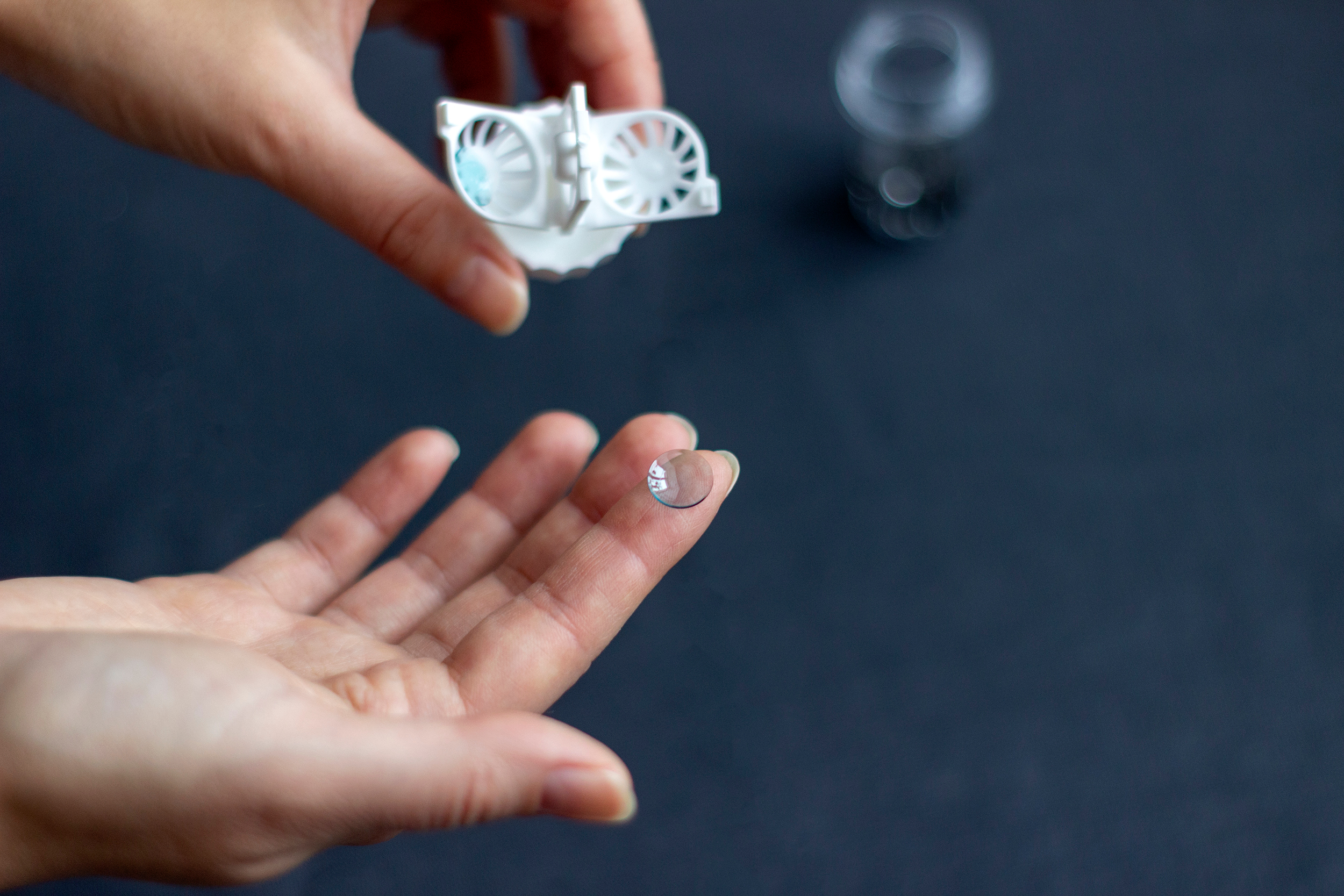
For student athletes, glasses and daytime contact lenses can sometimes feel inconvenient during practices, games, and workouts. Glasses may shift under helmets or protective equipment, while daytime contacts can become uncomfortable in wind, dust, or dry environments.
At Bluehouse Eyecare in Closter, we provide myopia management for children and teens throughout the Northern Valley area. Orthokeratology, commonly called Ortho-K, may be an option for appropriate students who want clearer daytime vision without wearing glasses or contact lenses during their activities.
How Does Ortho-K Work?
Ortho-K uses specially designed rigid gas-permeable contact lenses that are worn overnight while sleeping. The lenses temporarily reshape the cornea, which changes how light focuses inside the eye.
After removing the lenses in the morning, many properly fitted patients can see more clearly throughout the day without conventional glasses or daytime contacts.
The effect is temporary. Ortho-K lenses need to be worn according to the prescribed overnight schedule to maintain the daytime vision benefit. If lens wear stops, the cornea gradually returns toward its original shape and the nearsighted prescription returns.
Why Might Student Athletes Consider Ortho-K?
Daytime freedom from corrective lenses can be appealing for Northern Valley students participating in sports and other active pursuits.
Potential lifestyle benefits may include:
No glasses shifting during running or fast movement
No daytime contact lenses becoming dry during outdoor practices
Fewer concerns about glasses interfering with helmets or other equipment
Clearer unaided daytime vision for appropriate patients
Less dependence on glasses during school, sports, and other activities
An option that may also be considered as part of childhood myopia management
Ortho-K does not replace appropriate protective sports eyewear. Athletes participating in activities with a risk of eye injury should still use sport-specific protective eyewear when recommended.
Ortho-K and Childhood Myopia Management
Myopia, or nearsightedness, often begins during the school years and can continue progressing as a child grows. Regular glasses correct blurry distance vision but generally do not slow the underlying progression by themselves.
Ortho-K is one of several approaches that may be considered for childhood myopia management. Research supports its ability to slow axial eye growth in many children, although treatment does not cure myopia or guarantee that progression will stop completely.
At Bluehouse Eyecare, follow-up visits allow us to monitor the child's prescription, vision, eye health, lens fit, and response over time.
Is Every Student a Candidate?
No. An Ortho-K fitting requires an individualized eye examination.
Your Closter optometrist considers the child's prescription, corneal shape, eye health, tear film, maturity, and ability to handle contact lenses responsibly. Parents and students should also be comfortable following the required cleaning and overnight wear routine.
Because Ortho-K lenses are worn during sleep, careful hygiene is particularly important. Lenses should never be exposed to tap water, showers, swimming pools, or hot tubs. Students should wash and thoroughly dry their hands before handling them and follow the cleaning and disinfection instructions provided by their eye doctor.
What Should Athletes Track Between Visits?
Tell your optometrist if daytime vision begins fading sooner than expected, one eye seems blurrier, or the lenses become uncomfortable. Difficulty inserting or removing the lenses should also be discussed.
Significant redness, pain, discharge, light sensitivity, or reduced vision requires prompt professional attention rather than waiting for the next scheduled follow-up.
For Northern Valley student athletes interested in daytime freedom from glasses and contact lenses, schedule an Ortho-K and myopia management evaluation with Bluehouse Eyecare at 520 Durie Ave., Closter, NJ 07624 by calling (201) 768-2020.


Our Services
Contact Info
Hours of Operation
- Monday 9:00am - 6:00pm
- Tuesday 9:00am - 6:00pm
- Wednesday Closed
- Thursday 9:00am - 8:00pm
- Friday 9:00am - 6:00pm
- Saturday By appointment only
- Sunday CLOSED
© 2026 Bluehouse Eyecare. All rights Reserved. Accessibility Statement - Privacy Policy - Sitemap
Powered by:
