


Fall Allergies or Dry Eye? How to Tell What’s Causing Your Red, Itchy Eyes
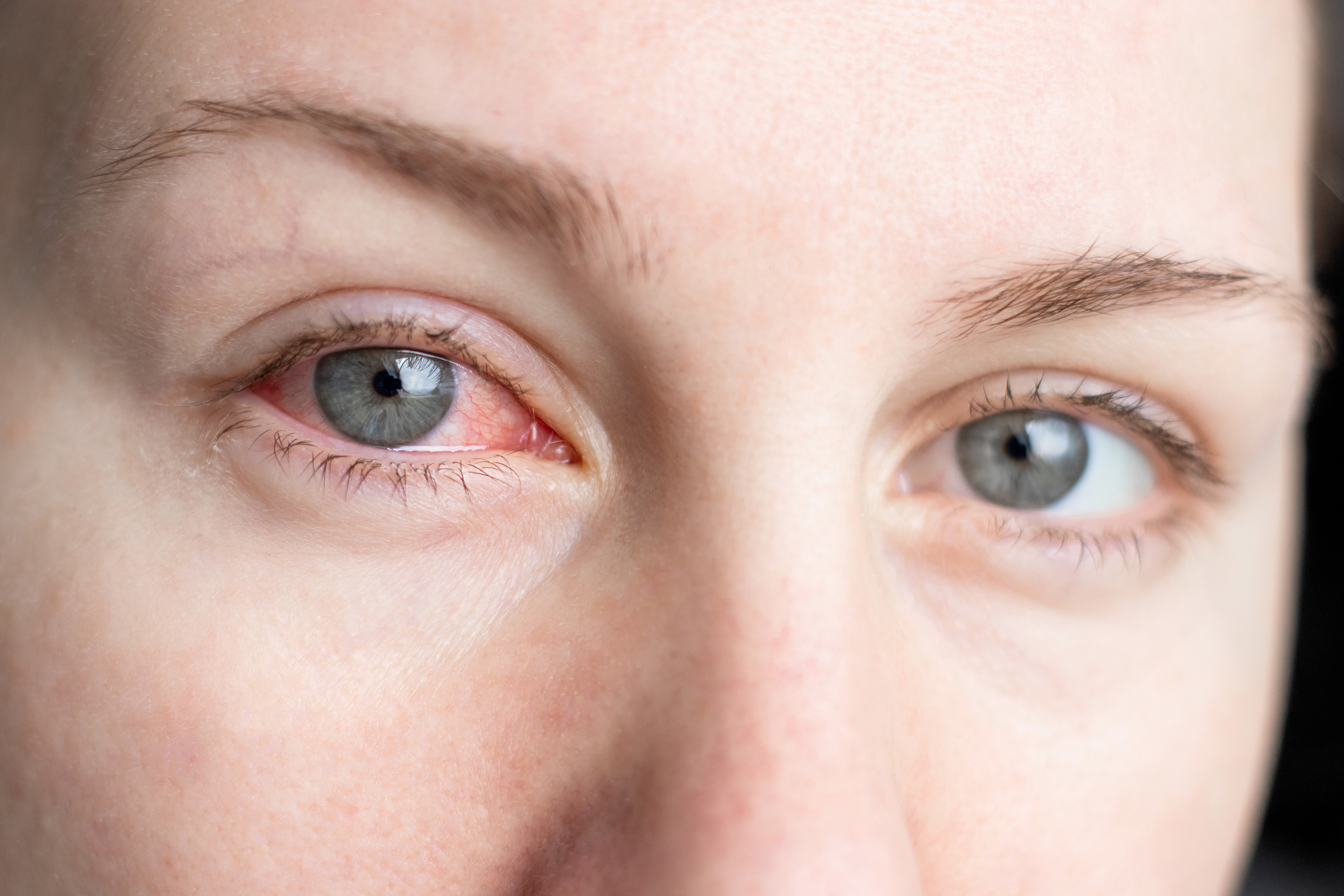
Fall can bring cooler weather, colorful leaves, and an unwelcome increase in eye irritation. If your eyes suddenly become red, itchy, watery, or uncomfortable, you may assume seasonal allergies are to blame. However, dry eye disease can cause many similar symptoms, and fall conditions can make both problems worse.
Understanding whether you are dealing with fall allergies, dry eye, or a combination of both can help you get the right treatment and lasting relief.
Why Fall Can Be Hard on Your Eyes
Seasonal changes can affect the delicate surface of your eyes. Fall allergens such as ragweed, mold spores, and outdoor debris may trigger an allergic response. At the same time, cooler temperatures, wind, lower humidity, indoor heating, and increased screen time can contribute to tear film instability and dry eye symptoms.
Because these conditions can overlap, it is not always easy to identify the cause based on redness alone.
Signs Your Symptoms May Be From Fall Allergies
Eye allergies occur when your immune system reacts to substances such as pollen, mold, or pet dander. Itching is often one of the strongest clues that allergies are involved.
Common signs of seasonal eye allergies include:
- Intense itching in both eyes
- Red or watery eyes
- Puffy or swollen eyelids
- Symptoms that worsen after being outdoors
- Sneezing, congestion, or a runny nose along with eye irritation
Allergy symptoms may come and go depending on your exposure to seasonal triggers. Rubbing your eyes can make the irritation worse and may further inflame the eye surface.
Signs Dry Eye May Be the Problem
Dry eye develops when your eyes do not produce enough tears or when the tears evaporate too quickly or lack the proper balance needed to keep the eye surface comfortable.
Instead of intense itching, dry eye frequently causes burning, stinging, grittiness, fluctuating vision, or the feeling that something is stuck in your eye. Some people also experience excessive watering because irritated eyes may respond by producing reflex tears that do not adequately lubricate the surface.
Dry eye symptoms may become more noticeable after extended computer use, reading, driving, exposure to wind, or spending time in heated indoor environments.
Can You Have Allergies and Dry Eye at the Same Time?
Yes, seasonal allergies and dry eye can occur together. Allergic inflammation can disrupt the tear film, while an already dry or irritated eye surface may become more sensitive when exposed to allergens.
Certain allergy medications can also contribute to dryness in some patients. This means repeatedly reaching for over-the-counter allergy drops may not solve the entire problem if dry eye is also involved.
When to See an Eye Doctor
If redness, itching, burning, watering, or blurry vision keeps returning, an eye exam can help determine what is actually causing your symptoms. Rather than treating every irritated eye as an allergy problem, we can evaluate your tear quality, eye surface, eyelids, and other factors that may contribute to dry eye.
Depending on the cause and severity, dry eye treatment can range from artificial tears and preventive care to prescription therapies and in-office treatment options designed to address underlying tear film problems.
For persistent red, itchy, or uncomfortable eyes this fall, schedule a comprehensive eye exam with Bluehouse Eyecare in Closter, NJ, by calling (201) 768-2020.


Our Services
Contact Info
Hours of Operation
- Monday 9:00am - 6:00pm
- Tuesday 9:00am - 6:00pm
- Wednesday Closed
- Thursday 9:00am - 8:00pm
- Friday 9:00am - 6:00pm
- Saturday By appointment only
- Sunday CLOSED
© 2026 Bluehouse Eyecare. All rights Reserved. Accessibility Statement - Privacy Policy - Sitemap
Powered by:
